"Anti-theft" is one of the most overused words in the bag world. Some features genuinely protect you; others are theater. So let's answer the real question honestly: do anti-theft backpacks actually work—and which features are worth paying for?
The short version: a good anti-theft backpack reliably defeats the most common threat (the opportunist who unzips a bag in a crowd) but won't stop a determined thief with time and tools. Understanding that difference is the key to buying smart.
What "anti-theft" actually means
There's no certification or standard behind the term—any brand can use it. In practice, anti-theft backpacks combine a handful of design features that make casual theft harder:
- Concealed zippers that tuck against your back, so the main compartment can't be opened while you're wearing the bag.
- A hidden rear pocket sitting flat against your spine for a passport, phone or wallet.
- Lockable zipper pulls or a built-in combination lock.
- Cut-resistant or high-denier fabric on premium models to resist slashing.
- RFID-blocking pockets to stop wireless card skimming.
The threat they're actually designed for
Most travel and urban theft isn't dramatic. It's opportunistic: a hand slipping into an open pocket on a packed train, a bag unzipped while it hangs on the back of a cafe chair, a phone lifted at a festival. This is exactly what anti-theft design targets.

Security experts are blunt about the trade-off: these features stop crimes of opportunity—the backpack equivalent of pickpocketing—but a motivated thief with privacy and tools can still defeat them. Lockable zippers, in particular, are a deterrent, not a vault. They buy time and make your bag a less appealing target than the unsecured one beside it.
Which features are worth it (and which aren't)
Genuinely useful
- Hidden back pocket — the single most practical feature. Your valuables sit where no one can reach them while the bag is on.
- Concealed/lockable main zippers — defeat the quick, casual unzip.
- Quality high-denier fabric — resists wear and casual slashing, and lasts longer regardless.
Nice to have
- RFID-blocking pocket — low cost, occasionally useful, though modern chip cards already limit skimming risk. A small bonus, not a headline reason to buy.
Mostly marketing
- Vague "slash-proof" claims with no fabric spec. If a brand can't tell you the denier or material, be skeptical.
Anti-theft only works with behavior
This is the part most product pages skip: the bag is half the equation; your habits are the other half. To actually stay safe, wear the bag on your front in dense crowds, keep valuables in the hidden back pocket (not the easy front one), never hang it on a chair behind you, and use the lock when you set it down.

What to look for when buying
Prioritize, in order: a true hidden back pocket, smooth lockable or concealed main zippers, durable high-denier fabric, and—because weather is its own threat—a water-resistant or waterproof shell. Comfort still matters; you'll wear this every day.
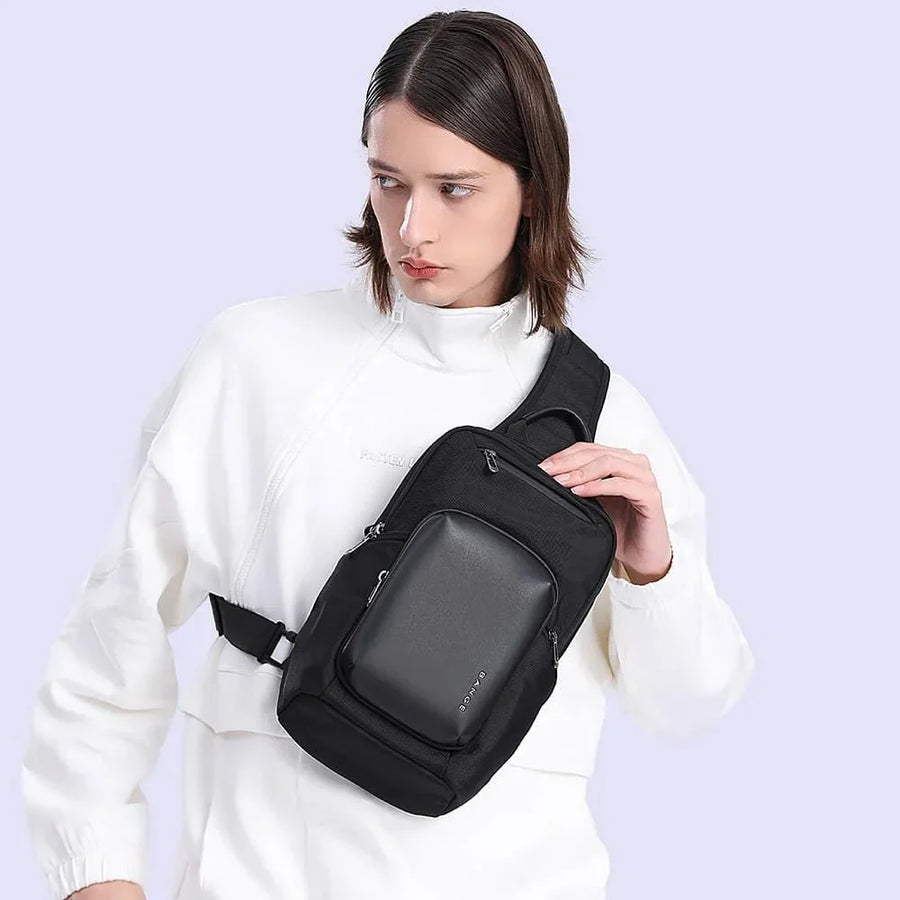
Bange's commuter-focused Urbex 2950 is built around exactly this: a slim profile for crowded transit, a concealed anti-theft layout, and a waterproof Oxford shell. For travelers carrying a laptop and passport, the Solix 1801 adds a concealed rear pocket and a rugged 1680D body to a full laptop-protection setup.
Who should buy an anti-theft backpack?
If you commute through busy stations, travel to crowded cities, attend festivals, or carry expensive tech daily, the upgrade is worth it—and usually costs little more than a comparable standard bag. If you mostly drive door-to-door and rarely set your bag down in public, the benefit is smaller.
Frequently asked questions
Are anti-theft backpacks completely theft-proof?
No. They defeat casual and opportunistic theft; a determined thief with time can still get in. No bag is foolproof.
Do I need RFID blocking?
It's a low-cost bonus. Most modern cards are chip-based and harder to skim, so don't choose a bag for RFID alone.
Are lockable zippers annoying for the owner?
Well-designed ones aren't—you reach them easily while they stay awkward for others. The hidden back pocket is the feature you'll use most.
The bottom line
Anti-theft backpacks work—within honest limits. They're built to beat the everyday pickpocket, and at that job the right features (a hidden back pocket, concealed lockable zippers, tough fabric) genuinely deliver. Pair one with sensible habits and you remove yourself from the easy-target list, which is the whole point.
Explore Bange's anti-theft and waterproof backpacks to find a secure everyday carry that fits your routine.
Previous
How to Pack a Carry-On Backpack for a Weekend Trip (Without Checking a Bag)
Next
TSA-Friendly Backpacks: How to Clear Airport Security Faster